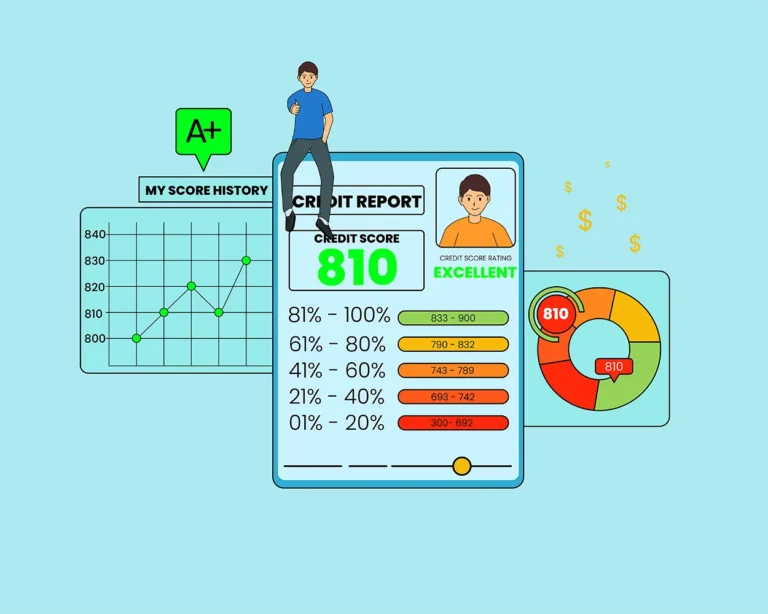
Most people assume their credit journey begins the day they sign for a mortgage or drive off a car lot. That belief costs them years of opportunity. Your FICO score is calculated using five weighted factors: payment history (35%), amounts owed (30%), length of credit history (15%), credit mix (10%), and new credit (10%). Each of those factors starts accumulating long before any major loan appears. The earlier you begin building credit deliberately, the more leverage you have when it counts most. This guide walks you through every step, from your first account to the score that gets you the best mortgage or auto rate.
Table of Contents
- Understanding credit scores and their impact
- Key steps to start building credit
- What really moves your score: Payment history and utilization
- Monitoring and correcting your credit history
- Our perspective: What most guides miss about building credit fast
- Next steps: Get expert help with your credit journey
- Frequently asked questions
Key Takeaways
| Point | Details |
|---|---|
| Score factors matter most | Payment history and utilization account for nearly two-thirds of your credit score. |
| Start credit early | Begin with secured cards, builder loans, and rent reporting to accelerate credit history. |
| Avoid late payments | A single 30-day late payment can drop your score by up to 110 points. |
| Monitor credit reports | Checking and disputing errors keeps scores high and prepares you for big purchases. |
| Keep accounts open | Maintaining old accounts boosts credit length and keeps utilization lower. |
Understanding credit scores and their impact
Before you take any action, you need to know exactly what you’re trying to build and why lenders care so much about a three-digit number.
Your credit score is a statistical prediction of how likely you are to repay debt. Lenders, landlords, and even some employers use it to judge risk in seconds. Two main models dominate the landscape: FICO and VantageScore. Both use similar data from your credit reports, but they weigh factors differently and respond to events at different speeds.
Here’s a side-by-side look at the key differences:
| Feature | FICO Score | VantageScore |
|---|---|---|
| Score range | 300 to 850 | 300 to 850 |
| Minimum history needed | 6 months | 1 month |
| Inquiry sensitivity | Moderate | More forgiving |
| Paid collections | Counted in FICO 8 | Ignored in VS 4.0 |
| Lender adoption | 90% of lenders | Growing, but secondary |
As the table shows, 90% of lenders rely on FICO as their primary model. VantageScore can be more volatile but also more forgiving on certain negative items. For practical purposes, treat your FICO score as the number that matters most when you’re preparing for a home or vehicle purchase.
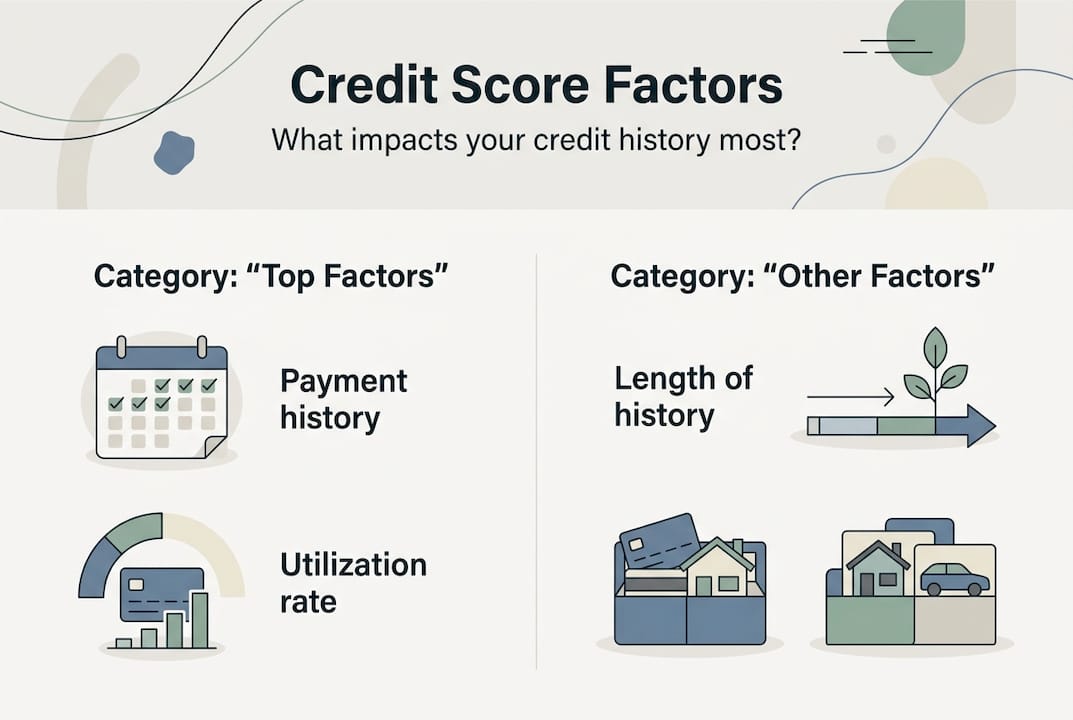
So what scores do you actually need? For a home loan, aim for 620+ to qualify for a conventional or FHA mortgage, but you’ll need 740 or higher to unlock the best interest rates. For an auto loan, 660 and above puts you in the “good” tier where competitive rates become available. Every point above those thresholds can translate directly into lower monthly payments and thousands of dollars saved over the life of a loan.
Key score ranges to remember:
- 300 to 579: Poor. Most lenders will decline or require large deposits.
- 580 to 669: Fair. Some approval options but high interest rates.
- 670 to 739: Good. Solid approval odds for most products.
- 740 to 799: Very good. Access to near-best rates.
- 800 to 850: Exceptional. Best rates and terms across all products.
Exploring credit building strategies early gives you a realistic roadmap so you’re not scrambling six weeks before a home closing.
Key steps to start building credit
With a clear understanding of how scores work, here’s how to start taking action and build credit effectively.
Building credit from zero might feel overwhelming, but the tools available today make it more accessible than ever. The key is stacking multiple methods at once rather than waiting for one account to age.
Here are the four foundational moves, ranked by how quickly they show results:
- Open a secured credit card. You deposit money as collateral, and that deposit becomes your credit limit. The card reports to all three major bureaus just like a regular card. Used responsibly, it starts building your payment history and utilization record immediately.
- Take out a credit-builder loan. A credit union or online lender holds the loan funds in a savings account while you make monthly payments. Those payments are reported to the bureaus. At the end of the term, you receive the funds. You build both credit and savings simultaneously.
- Become an authorized user. If a parent, spouse, or close friend with excellent credit adds you to their account, their history on that card can appear on your credit report. Authorized user status can add 32 to 45 points for people with thin credit files, making it one of the fastest boosts available.
- Use a rent reporting service. Services like Rental Kharma or Boom report your monthly rent to the credit bureaus, turning a payment you already make into a credit-building event. Rent reporting averages a 23 to 40 point increase over time for people with limited histories.
How long should you expect to wait? Your first FICO score requires at least 6 months of credit history, and reaching a “good” score of 670 or higher typically takes 12 to 24 months of consistent on-time payments and low utilization. Here’s a general timeline to set realistic expectations:
| Milestone | Estimated timeframe |
|---|---|
| First FICO score appears | 6 months |
| Score reaches 620 (fair/home min) | 9 to 14 months |
| Score reaches 670+ (good) | 12 to 24 months |
| Score reaches 740+ (very good) | 24 to 48 months |
The timeline shortens significantly when you stack methods. Someone using a secured card, a credit-builder loan, and rent reporting simultaneously builds history, credit mix, and consistent payment records all at once. You can build credit safely without overextending yourself financially by keeping balances low and automating payments.
You can also explore credit solutions tailored to your starting point, whether you have no credit at all or a few negative marks to work around.
Pro Tip: Don’t wait until you “need” credit to start building it. Open your first secured card and credit-builder loan at least 18 to 24 months before you plan to apply for a mortgage or auto loan. That gives your score time to mature past the initial fragile stage.
What really moves your score: Payment history and utilization
Once you have accounts, what you do with them matters most. Let’s get strategic about which actions move your score fastest.
Two factors together make up 65% of your FICO score: payment history (35%) and amounts owed, which largely reflects credit utilization (30%). Mastering these two elements will carry you further than any other tactic.

Payment history: Zero tolerance for late payments. A single 30-day late payment can drop your score by 60 to 110 points, and that negative mark stays on your report for seven years. That’s not a typo. One missed payment can undo months of careful work. Set up autopay for at least the minimum payment on every account, and then pay the full balance manually when you’re able. Never let a due date slip.
Credit utilization: The lever you can pull fast. Keeping utilization under 30% is the general rule, but under 10% is where the real point gains happen. Dropping from 30% utilization to 5% can boost your FICO score by 20 to 50 points within a single billing cycle. That’s one of the fastest legitimate score improvements available.
Here’s what smart utilization management looks like in practice:
- Never charge more than 10% of your limit on any single card
- Request credit limit increases after 6 months of good history (without a hard inquiry if possible)
- Spread spending across multiple cards rather than maxing one
- Pay your balance before the statement closing date, not just before the due date
That last point is critical. Your statement balance is what gets reported to the bureaus. If you carry a $900 balance on a $1,000 limit card all month and pay it off on the due date, your report still shows 90% utilization. Pay it down before the statement closes, and you report near-zero utilization instead.
“Closing old accounts hurts by shortening history and spiking utilization, potentially causing a drop of 15 to 40 FICO points.”
This is one of the most common mistakes we see. People open new accounts, forget about old ones, and then close them thinking it cleans up their profile. It does the opposite. Keeping old accounts open, even with a zero balance and a small recurring charge, preserves your average account age and keeps your total available credit high.
Focus on improving your score through payment consistency, and use practical score improvement tips to manage utilization strategically. If you want a structured approach to increase your credit score over a defined timeline, combining these two habits consistently will produce the most reliable results.
Pro Tip: Set a calendar reminder for two to three days before each statement closing date. That’s your signal to log in and pay your balance down to under 10% of your limit before utilization gets reported.
Monitoring and correcting your credit history
Now that you’re managing your accounts wisely, it’s crucial to monitor what lenders and bureaus actually report about you.
Your credit score is only as accurate as the information behind it. Errors in credit reports are far more common than most people realize. One in five credit reports contain mistakes significant enough to affect scores. These errors range from accounts that don’t belong to you (possible identity theft) to late payments incorrectly recorded to balances that haven’t been updated after payoff.
Here’s how to stay ahead of report errors:
- Check your reports weekly. AnnualCreditReport.com now offers free weekly access to all three bureau reports from Experian, Equifax, and TransUnion. Use it. Don’t wait for annual reviews.
- Compare all three bureaus. Lenders don’t always report to all three, and errors on one bureau won’t necessarily appear on another. You need to check Experian, Equifax, and TransUnion separately.
- Dispute errors immediately. Each bureau has an online dispute process. Submit disputes with supporting documentation, such as payment receipts or account statements, and they must investigate within 30 days.
- Track your FICO score monthly. Many credit card issuers offer free FICO score access. Use this to spot sudden drops that might signal an error or unauthorized account.
- Freeze your credit if you’re not actively applying. A security freeze prevents new accounts from being opened in your name and doesn’t affect your score.
Staying on top of tracking your credit is especially important in the months before a major purchase. A mortgage lender will pull your report, and any error present at that moment can delay your closing or cost you a better rate.
Disputing errors successfully can also provide a meaningful score boost. If a collections account that was paid in full is still showing as unpaid, getting it corrected can lift your score by 20 points or more. Combine dispute wins with the raise credit score strategies outlined throughout this guide, and you’ll enter any major loan application from a position of strength.
Our perspective: What most guides miss about building credit fast
Most credit guides tell you to “pay on time and keep utilization low.” That’s accurate, but it’s incomplete. What the data and real-world experiments actually reveal is that timing, sequencing, and method stacking matter just as much as the basics.
The single biggest mistake we see is people trying to build credit six to eight weeks before they need it. Credit history doesn’t work on short notice. For any big purchase, start building 6 to 12 months early and stack a secured card with a credit-builder loan and rent reporting simultaneously. That combination builds payment history, credit mix, and account age all at once, which addresses four of the five FICO factors from the start.
The second thing most guides gloss over is the statement close date strategy. Paying before the statement closes rather than before the due date is a nuance that can realistically move your score 20 to 40 points without changing your spending habits at all. FICO 9 also ignores paid collections entirely, unlike FICO 8, which still factors them in. If you have any paid collections on your report and your lender uses FICO 9, those entries carry zero weight. Knowing which model your lender uses before you apply can change how you prioritize your credit repair work.
Here’s the practical takeaway: credit building is not a single lever, it’s a system. People who treat it as a system and adjust variables intentionally, account types, statement timing, utilization percentage, report accuracy, consistently outperform those who follow generic advice passively. Explore best credit strategies that reflect this systems-level thinking rather than relying on one-size-fits-all tips.
Next steps: Get expert help with your credit journey
Building credit strategically takes knowledge, consistency, and the right tools working together. If you’ve read this far, you already have the knowledge. Now it’s time to put it into action.

Credit Rebooter exists to bridge the gap between knowing what to do and actually doing it. Whether you’re starting from zero or repairing past damage, our resources are built for your exact situation. Start with our credit history resources to understand exactly where you stand and what your next move should be. Then put those insights to work with our proven credit strategies that cover everything from secured cards to dispute tactics. Our learning center, free tools, and personalized support are designed to get you to your score goal faster than going it alone.
Frequently asked questions
How long does it take to build a good credit score?
It takes at least 6 months for your first FICO score to appear, and reaching 670+ typically requires 12 to 24 months of consistent on-time payments and low credit utilization. Stacking multiple credit-building tools can accelerate this timeline meaningfully.
What’s the fastest way to raise my credit score for a mortgage?
Reduce utilization below 10%, combine a secured card with a credit-builder loan and rent reporting, and make every payment on time. Aim for 620+ to qualify for conventional loans, and target 740 or higher for the best rates. Empirically, these combined methods can add 70 or more points within 6 to 12 months.
How do errors on my credit report affect my score?
Credit report errors can directly drag your score down, and 1 in 5 reports contain mistakes. Disputing and removing incorrect negative items can restore points quickly, sometimes within 30 days of a successful dispute.
Should I close unused credit card accounts to help my score?
No. Closing old accounts shortens your average credit history and spikes your utilization ratio, which can cost you 15 to 40 FICO points. Keep old accounts open with a small recurring charge and a zero balance instead.
Is it better to pay your credit card before the statement closes?
Yes, always. Paying before the statement date means your reported utilization is lower, which directly improves your score. FICO scores what’s reported, not what you actually owe at any given moment, so timing your payments strategically is one of the most underused tactics available.